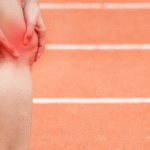

When your knee gives way mid-pivot – during a last-gasp goal grab in football, a backboard-bouncing basketball blunder, or a netball knee-knock that defies physics – it is more than painful. Suddenly, the season is on pause, your highlight reel is on hold, and your only sprint is a dash to the physio waiting room.
ACL injuries are notorious for ongoing instability if rehabilitation is incomplete. The right program can restore strength, control and confidence. In many cases, athletes return to sport with improved movement quality and resilience.
Call us or book online to make an appointment with one of our experienced physiotherapists and receive a personalised ACL injury rehab progression plan. And if you’re new to Hunters Hill Physiotherapy, you can find out more about what to expect when you visit on our practice page.
The anterior cruciate ligament, or ACL, is a key stabiliser inside the knee. It connects the femur to the tibia and helps control forward movement and rotation of the shin bone. This stability is essential for cutting, pivoting, jumping and landing.
ACL injuries commonly occur during:
Typical signs include a “pop”, rapid swelling and a feeling that the knee may give way. Management may involve ACL reconstruction surgery or, in selected cases, structured conservative rehabilitation. In both pathways, progressive physiotherapy is central to recovery.
The first weeks focus on reducing swelling and restoring safe movement. Key goals include:
Even small deficits in knee extension can affect walking mechanics and long-term outcomes. Crutches may be used temporarily, but prolonged unloading is avoided. Guided, controlled movement supports joint health and muscle recovery.
ACL rehabilitation follows a criteria-based progression rather than a simple timeline.
Each stage builds on the previous one to ensure the knee can tolerate increasing load and complexity.
Timing alone does not determine readiness. Return to running generally requires:
Return to play requires higher benchmarks:
Many athletes return to competitive sport around 9 to 12 months after surgery. We know that sounds like an age. But doing it the right way reduces your chances of repeat injuries. And you’re worth it!
Under-loading the knee: Fear of re-injury can limit strength work. Structured progressive loading strengthens tissues and supports joint stability.
Poor hip control: Weak gluteal muscles can allow the knee to collapse inward during dynamic tasks. Targeted hip strengthening reduces this risk.
Rushed return: Meeting a calendar date is not the same as meeting objective criteria. Measurable benchmarks guide safe progression.
Incomplete late-stage rehab: Pain reduction is not the endpoint. Power, agility and reactive control are essential before full return to sport.
ACL injuries are challenging, but they also provide an opportunity to address pre-existing strength and movement deficits. With the right guidance, many athletes build a more resilient foundation than before. To receive a personalised progression plan and objective assessment, call us at the clinic or book online. Evidence-based rehabilitation supports a safer, stronger return to sport. Getting you back on the pitch the right way – so you’re not back on the treatment table explaining how it happened… again.
Follow us on social media for quick tips and friendly reminders – we’re on Facebook and Instagram.
Information provided here (including text, graphics, images, outbound links, and other material) is for informational purposes only. It is general in nature and is not to be used or considered as a substitute for personalised professional medical advice, diagnosis, or treatment. Always seek the advice of your qualified allied health provider regarding any symptoms, medical conditions, or treatments and before undertaking any new health care regimen.